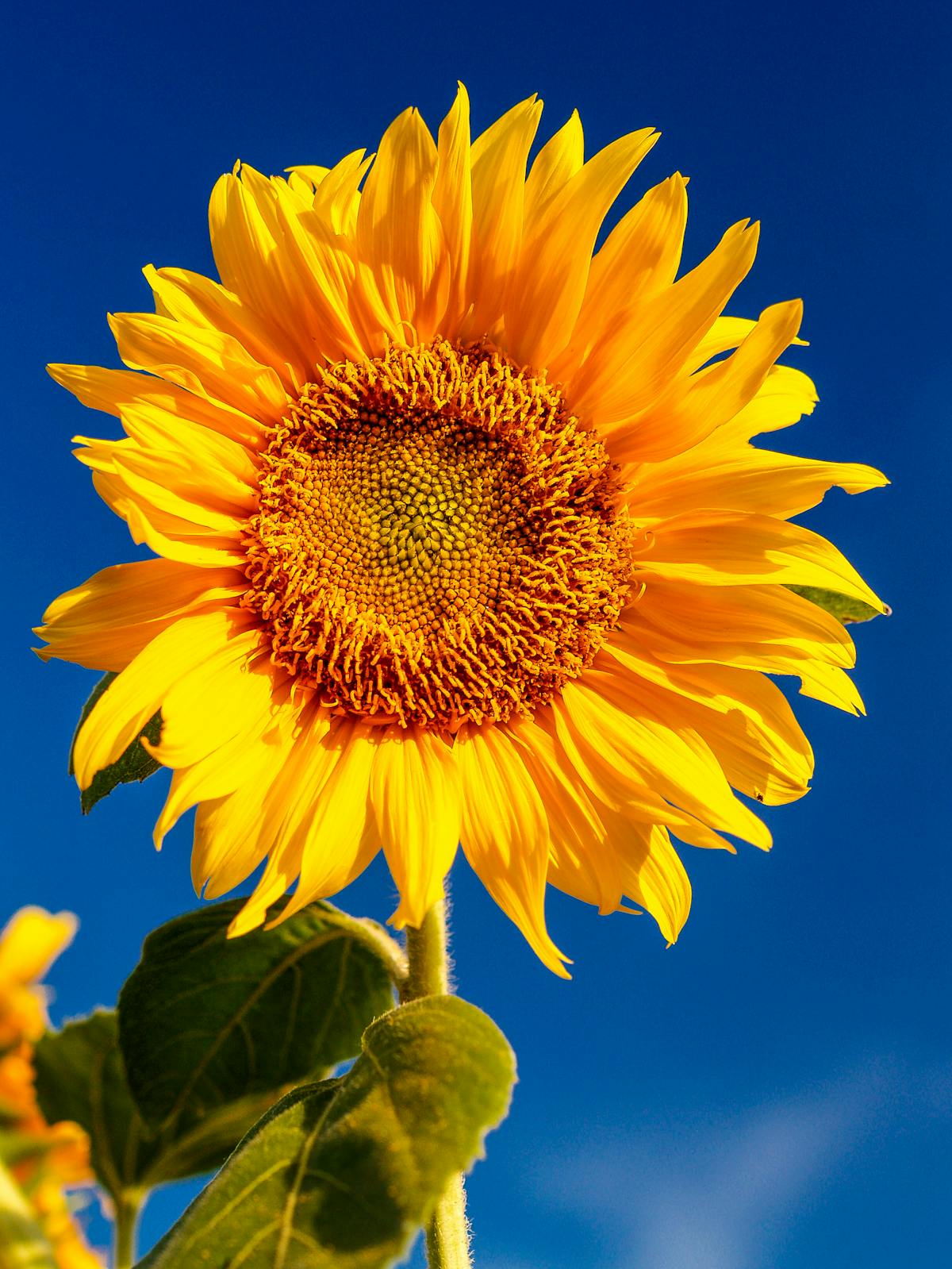
Before buying plants, observe your terrace: how many hours of sun does each corner get? Where does water collect when it rains? Which areas are shaded during different times of the day? Understanding your space is the foundation of a successful terrace garden.
Spend a week tracking sunlight patterns. Note which areas receive direct morning sun, afternoon sun, or remain in shade. This knowledge will help you choose the right plants for each location. Sun-loving vegetables like tomatoes and peppers need at least 6-8 hours of direct sunlight, while leafy greens like spinach and lettuce can thrive with 4-6 hours.
Consider the weight capacity of your terrace. Soil, containers, and water add significant weight. Consult with a structural engineer if you're planning a large garden. For most terraces, lightweight containers and grow bags are ideal. They're easier to move, allow better root aeration, and reduce the overall load.
Choose lightweight containers, a good potting mix, and a simple watering routine you can realistically follow every day. Terracotta pots are beautiful but heavy and dry out quickly. Plastic or fabric grow bags are lighter, retain moisture better, and are more cost-effective for large-scale growing.
The quality of your potting mix determines the success of your garden. Avoid using garden soil directly — it's too dense, may contain pests, and doesn't drain well in containers. Instead, create a mix of coco peat, compost, and perlite or vermiculite. This combination provides good drainage, aeration, and nutrients.
Watering is crucial in terrace gardens. Containers dry out faster than ground soil, especially in hot weather. Water deeply in the morning, allowing water to reach the roots. Avoid shallow, frequent watering which encourages weak root systems. Install a simple drip irrigation system if you travel frequently or have many containers.
Start small. A few herbs, one or two vegetable varieties, and a flowering plant are enough to learn the basics and build confidence. Herbs like basil, mint, and coriander are perfect starters — they grow quickly, are forgiving of mistakes, and provide immediate gratification with fresh flavors for your kitchen.
As you gain experience, expand gradually. Add seasonal vegetables that match your climate. In cooler months, grow leafy greens, carrots, and radishes. In warmer months, focus on tomatoes, peppers, and eggplants. Rotate your crops to prevent soil depletion and pest buildup.
Pest management in terrace gardens requires vigilance. Check your plants daily for signs of pests or diseases. Early detection makes treatment easier. Use organic methods like neem oil spray, companion planting, and physical barriers. Encourage beneficial insects by planting flowers that attract them.
Fertilization is essential for container gardening. Nutrients get depleted quickly in pots. Use organic fertilizers like compost tea, vermicompost, or organic granular fertilizers every 2-3 weeks during the growing season. Compost your kitchen waste to create nutrient-rich soil amendments.
Protect your terrace garden from extreme weather. Provide shade during intense summer heat using shade cloth or temporary structures. Cover delicate plants during heavy rains. In winter, move sensitive plants to warmer spots or provide protection from frost.
Remember, terrace gardening is a journey of learning. You'll have successes and failures, and that's perfectly normal. Each season teaches you something new about your space, your plants, and yourself. The key is to start, observe, learn, and keep growing.