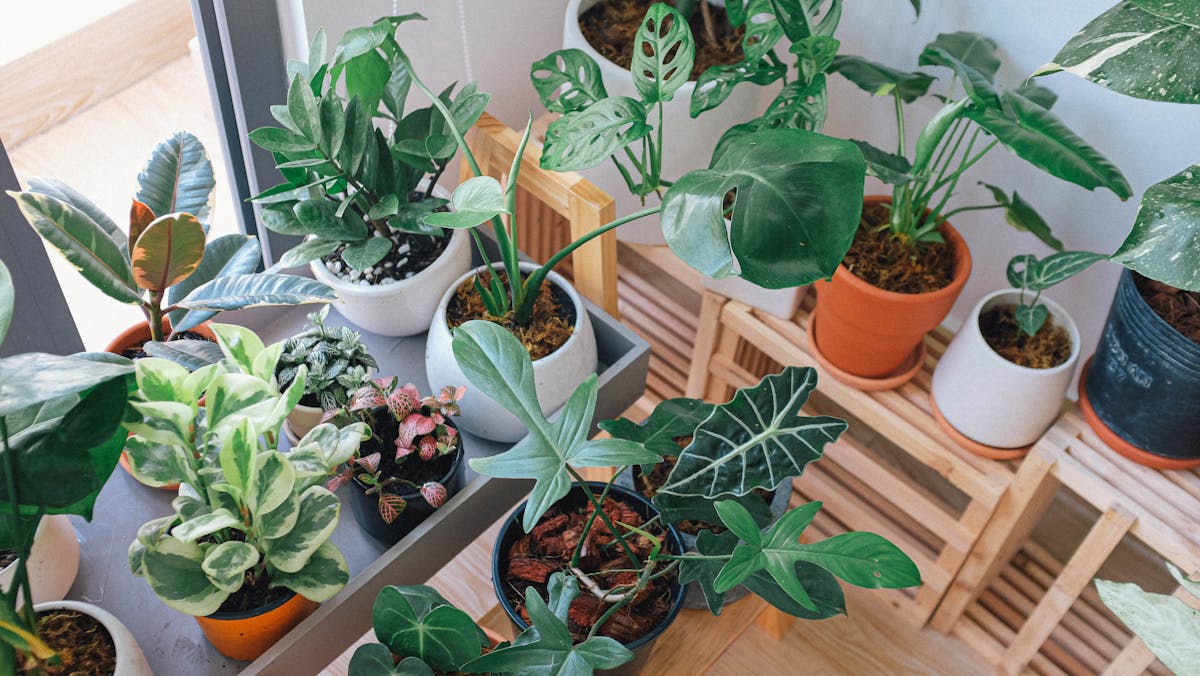
If you travel often or simply forget to water, look for plants that store moisture in their thick leaves or stems. These plants have evolved to survive in harsh conditions with irregular water availability. They're perfect for busy lifestyles, frequent travelers, or anyone who struggles with consistent plant care.
Snake plant, ZZ plant, jade plant, aloe, and pothos are some of the most forgiving options for low-maintenance greenery. Each of these plants has unique characteristics that make them resilient and adaptable to various conditions.
Snake plants, also known as Sansevieria, are virtually indestructible. They can survive weeks without water, tolerate low light conditions, and even thrive on neglect. Their upright, architectural leaves add structure to any space. They're excellent air purifiers and release oxygen at night, making them ideal for bedrooms.
ZZ plants are another excellent choice for forgetful gardeners. Their glossy, dark green leaves store water efficiently, and they can survive in very low light. They grow slowly but steadily, requiring minimal attention. ZZ plants are particularly good for offices or rooms with artificial lighting.
Jade plants are succulents that store water in their thick, fleshy leaves. They prefer bright, indirect light and infrequent watering. When you do water, water thoroughly and then let the soil dry completely before watering again. Jade plants can live for decades with minimal care and are considered symbols of good luck.
Aloe vera is both beautiful and useful. Its gel has healing properties for burns and skin irritations. Aloe plants prefer bright light and well-draining soil. They need water only when the soil is completely dry, which might be every 2-3 weeks depending on conditions. Overwatering is the main cause of aloe plant failure.
Pothos, also known as devil's ivy, is incredibly forgiving. It can survive in low light, tolerates irregular watering, and grows quickly. Its trailing vines make it perfect for hanging baskets or high shelves. Pothos will tell you when it needs water — its leaves will droop slightly, giving you a clear signal.
Group them together, use pots with drainage holes, and water deeply but less often for best results. Grouping plants creates a microclimate with higher humidity, which benefits all the plants. Drainage holes are essential to prevent root rot, which is the most common cause of plant death.
When you do water these plants, water thoroughly until water runs out of the drainage holes. This ensures the entire root system gets moisture. Then wait until the soil is completely dry before watering again. For most of these plants, this might mean watering every 2-4 weeks rather than weekly.
Remember that even low-maintenance plants need some care. Check them monthly for pests, dust their leaves occasionally, and repot them when they outgrow their containers. With minimal but consistent attention, these plants will thrive and bring greenery into your life without adding stress to your schedule.