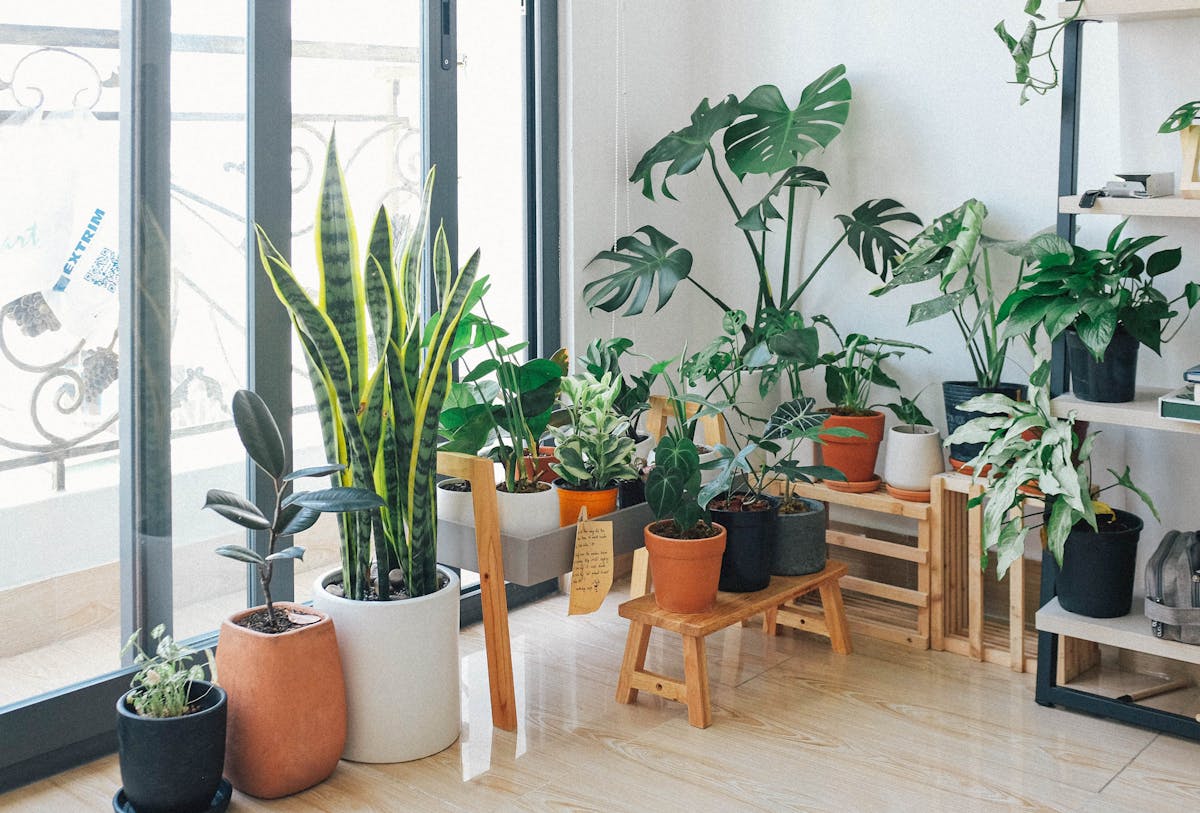
Indoor plants gently improve your indoor air quality, but their biggest impact is often emotional. Caring for something alive builds a small daily ritual of mindfulness. When you water a plant, check its leaves, or simply observe its growth, you create a moment of calm in your busy day.
Scientific studies have shown that indoor plants can reduce stress levels, improve concentration, and even lower blood pressure. The presence of greenery in your living space creates a connection to nature that urban life often lacks. This connection is not just psychological — it's deeply rooted in our evolutionary history.
Plants act as natural air purifiers, removing toxins like formaldehyde, benzene, and trichloroethylene from the air. While one plant won't transform your entire home's air quality, a collection of well-chosen plants can make a noticeable difference, especially in rooms with poor ventilation.
Start with forgiving plants like pothos, snake plant, or peace lily. These varieties are resilient, require minimal care, and can thrive in various light conditions. Place them where you spend the most time — your desk, kitchen window, or bedroom — so you naturally remember to check on them.
The key to successful indoor gardening is understanding your space. Different rooms have different light levels, humidity, and temperature. A bathroom with natural light is perfect for ferns and tropical plants that love humidity. A sunny windowsill is ideal for succulents and cacti. A dim corner can host a snake plant or ZZ plant.
Over time, you'll notice tiny changes: new leaves unfurling, roots filling the pot, and your own mood lifting when you see them thriving. This process of observation and care teaches patience and attentiveness. You learn to read the signs — drooping leaves mean thirst, yellowing might indicate overwatering, and brown tips could signal low humidity.
Indoor plants also create a sense of responsibility and routine. For children, caring for a plant teaches them about life cycles, patience, and the importance of consistent care. For adults, it's a gentle reminder that growth takes time and that small, consistent actions lead to beautiful results.
Beyond the individual benefits, indoor plants contribute to a healthier home environment. They increase humidity levels, which can reduce respiratory problems and dry skin. They absorb sound, making your space quieter and more peaceful. They even improve sleep quality when placed in bedrooms, as they release oxygen at night.
The beauty of indoor gardening is that it's accessible to everyone. You don't need a large space, expensive equipment, or extensive knowledge. Start with one plant, learn its needs, and gradually expand your collection. Each plant you add brings more life, more color, and more positive energy into your home.